
Behavior & Training, Health & General Care, Nutrition & Diet
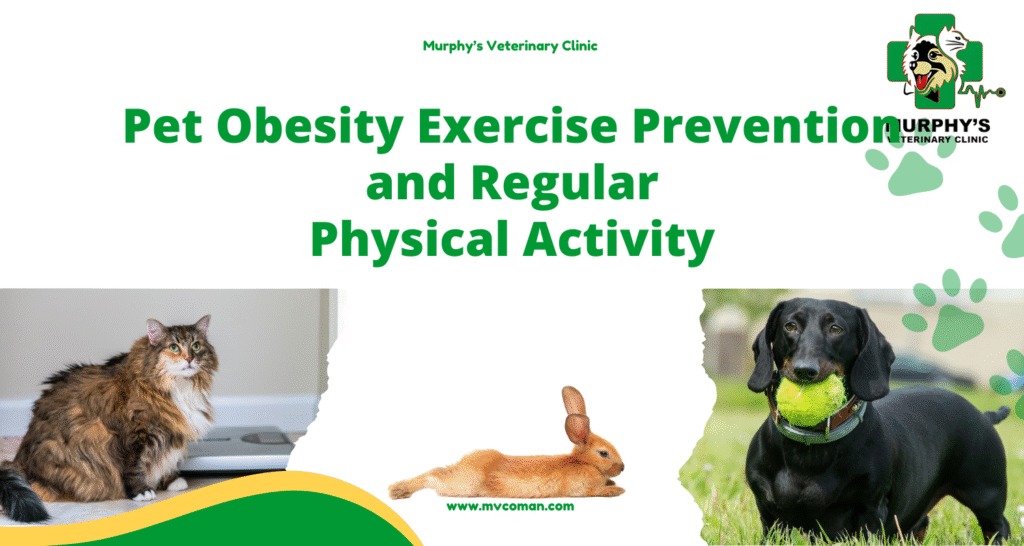
Pet Obesity Exercise Prevention and Regular Physical Activity
Jan
Topics covered in this article:
- The Role of Physical Activity in Metabolic Control
- Tailored Exercise Programs by Age and Breed
- Consequences of Obesity and Reduced Mobility
- Monitoring Weight and Physical Activity Levels
- Owner Involvement in Exercise Program Success
- Conclusion
Pet Obesity Exercise Prevention and Regular Physical Activity is a critical topic in veterinary medicine, as obesity in companion animals is recognized as a chronic metabolic disorder. Excess body weight can contribute to orthopedic disorders, cardiovascular disease, and decreased lifespan. The Pet Obesity Exercise Prevention approach focuses on increasing energy expenditure, improving metabolic function, and maintaining lean muscle mass. Regular physical activity plays a central role in weight management, fat reduction, and overall quality of life. Prolonged inactivity is a major contributor to elevated body condition scores in both dogs and cats. Scientifically designed Pet Obesity Exercise Prevention programs not only help reduce weight but also prevent secondary health complications. Veterinarians recommend that activity levels be tailored to the animal’s age, breed, and overall health. Proper implementation of Pet Obesity Exercise Prevention principles enhances joint function, increases endurance, and supports musculoskeletal health. Attention to this approach can also reduce future treatment costs. In conclusion, consistent exercise is an essential preventive intervention to protect pets from obesity-related disorders.
The Role of Physical Activity in Metabolic Control
Regular physical activity plays a key role in regulating energy balance and metabolic efficiency in companion animals. Exercise increases calorie consumption and helps limit excessive fat accumulation. Within the framework of Pet Obesity Exercise Prevention, aerobic activities improve insulin responsiveness and decrease the likelihood of developing diabetes. Ongoing movement contributes to healthier blood lipid levels and promotes cardiovascular well-being. Pets that remain consistently active tend to develop stronger musculature and sustain higher basal metabolic rates. Structured exercise programs also help reduce obesity-related chronic inflammation while reinforcing immune health. Properly managed physical activity lessens joint strain and lowers the risk of orthopedic complications. Veterinary professionals recommend gradually increasing exercise intensity to ensure safety and effectiveness. Overall, planned and consistent physical activity remains a fundamental element of maintaining optimal pet health.
• Increased energy expenditure
• Improved insulin sensitivity
• Reduction of body fat
• Enhanced lean muscle mass
Tailored Exercise Programs by Age and Breed
Exercise programs should be designed according to age, breed, and physiological status. Puppies and kittens benefit from short, frequent activity sessions. Older animals require low-impact, controlled exercises within Pet Obesity Exercise Prevention programs. Large-breed dogs are prone to joint disorders and need modified exercise routines. Evidence-based Pet Obesity Exercise Prevention strategies prevent musculoskeletal injuries. Exercise intensity and duration must be carefully monitored to avoid overexertion. Veterinary supervision is recommended for program adjustment. Choosing appropriate activities improves the pet’s quality of life and overall health outcomes.
| Age/Breed Group | Recommended Activity | Daily Duration |
| Puppies/Kittens | Light play sessions | 15–20 minutes |
| Adults | Walking and aerobic training | 30–45 minutes |
| Seniors | Low-impact exercises | 10–20 minutes |
Consequences of Obesity and Reduced Mobility
Physical inactivity is a primary driver of obesity in companion animals. Excess weight increases the risk of osteoarthritis, cardiovascular disease, and respiratory disorders. Pet Obesity Exercise Prevention aims to mitigate these risks by promoting consistent activity. Obese animals often display lower exercise tolerance. Extra weight places additional stress on joints, aggravating musculoskeletal conditions. Incorporating Pet Obesity Exercise Prevention slows disease progression. Reduced activity also negatively impacts behavioral health. Active animals exhibit improved temperament and mental stimulation. Prevention is more effective and less costly than treating established conditions. Structured exercise routines maintain musculoskeletal and metabolic health, ensuring longer, healthier lives.
• Osteoarthritis and joint pain
• Cardiovascular disease
• Decreased lifespan
• Impaired mobility
Monitoring Weight and Physical Activity Levels
Regular monitoring of body weight and activity levels is critical for effective management of companion animals. Body condition scoring helps identify overweight pets early. Recording daily activity supports Pet Obesity Exercise Prevention programs and tracks progress. Weight trends allow veterinarians to adjust exercise protocols accordingly. Implementing structured Pet Obesity Exercise Prevention plans detects emerging complications early. Routine monitoring prevents the escalation of obesity-related disorders. Activity logs also improve owner compliance and engagement. Early intervention through assessment promotes long-term health and sustained results.
| Assessment Parameter | Target | Clinical Benefit |
| Body weight | Maintain normal range | Reduce disease risk |
| Activity levels | Gradual increase | Improve metabolism |
Owner Involvement in Exercise Program Success
Active involvement of pet owners plays a vital role in the success of exercise programs. Creating regular and structured routines improves consistency and supports Pet Obesity Exercise Prevention efforts. Educating owners about the benefits of physical activity increases awareness and encourages correct implementation. Motivating pets through play, engagement, and interactive activities improves cooperation and adherence. Providing a safe and suitable environment for exercise is essential. Achieving long-term results requires sustained commitment to healthy activity principles. Lifestyle modifications depend on mutual adaptation between the pet and the owner. Continuous monitoring and supportive involvement contribute to stable and long-lasting weight control. Working closely with veterinarians ensures that exercise plans remain safe, effective, and scientifically grounded.
• Establish consistent daily routines
• Encourage play-based exercise
• Monitor progress regularly
• Collaborate with veterinary professionals
Conclusion
Obesity in companion animals is a growing challenge in modern veterinary medicine. Regular exercise and structured physical activity are critical for preventing excessive weight gain. The Pet Obesity Exercise Prevention approach is a scientifically validated strategy for long-term weight management. Age- and breed-appropriate exercise plans optimize outcomes. Monitoring weight and activity levels improves effectiveness and owner compliance. Active owner participation ensures successful program implementation. Preventive exercise is more cost-effective and beneficial than treatment of chronic conditions. Structured physical activity enhances quality of life and reduces the risk of metabolic and orthopedic diseases. Overall, consistent exercise represents a valuable investment in a pet’s lifelong health.
Murphy’s Veterinary Clinic provides specialized programs for weight management, body condition assessment, and tailored exercise plans. The clinic supports Pet Obesity Exercise Prevention through routine health monitoring, nutritional counseling, and activity guidance. Veterinarians collaborate with owners to maintain ideal body weight and optimize the long-term health of companion animals. Services include individualized exercise prescriptions, metabolic evaluation, and behavioral support to ensure adherence to preventive health strategies.
