
Diseases & Treatments, Health & General Care, Veterinary Science & Advances
Dog Cruciate Ligament Surgery What to Expect
Dec
Topics covered in this article:
- Diagnostic Evaluation
- Choosing the Appropriate Surgical Technique
- In Postoperative Care and Pain Management
- Structured Rehabilitation (Table Included)
- Preventing Future Injury
- Conclusion
what to Expect If Your Dog Needs Cruciate Ligament Surgery is an important topic for owners whose dogs face orthopedic issues. When ligament damage occurs, understanding the process becomes essential for choosing the right treatment. This common injury requires awareness of diagnosis, surgery steps, and recovery. Many owners worry about pain, costs, and healing time, making reliable information vital. This guide explains the key phases leading to successful Dog Cruciate Ligament Surgery, helping owners make informed decisions. Knowing what happens before, during, and after the procedure also reduces stress and supports a smoother return to normal function. With this overview, you will understand the essential stages of the surgery and what to expect throughout recovery.
Diagnostic Evaluation
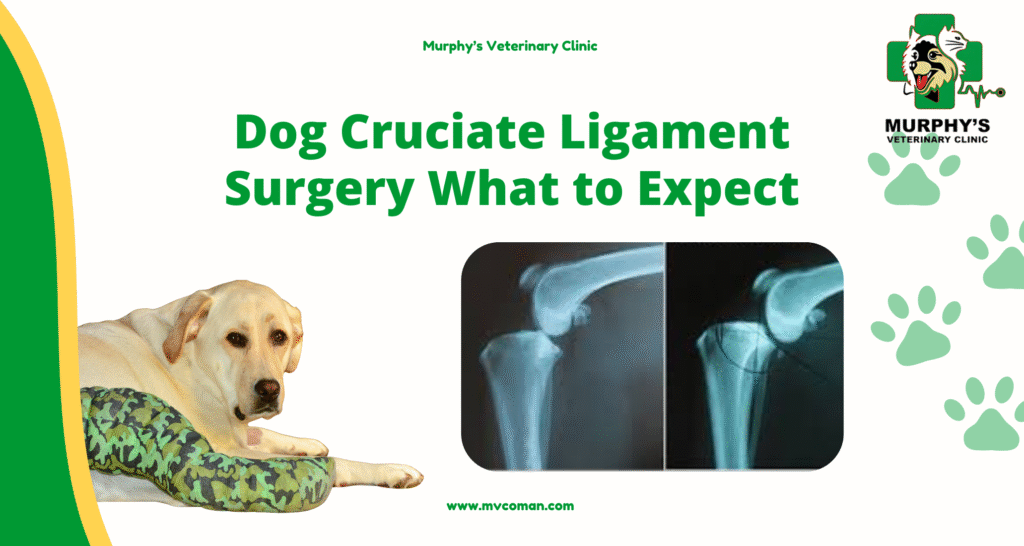
Accurate diagnosis is the foundation of successful treatment and a crucial step in Dog Cruciate Ligament Surgery planning. A veterinarian performs a full orthopedic exam, including the cranial drawer test, tibial thrust test, range-of-motion assessment, and gait analysis. Imaging techniques such as radiography or MRI help determine the severity of ligament instability. Understanding how advanced the injury is guides the veterinarian toward recommending or avoiding Dog Cruciate Ligament Surgery. Early detection improves prognosis and prevents further joint degeneration.
• Comprehensive orthopedic examination
• Cranial drawer testing
• Gait and pain assessment
• Diagnostic imaging
Choosing the Appropriate Surgical Technique
Selecting the correct surgical method depends on body weight, activity level, skeletal structure, and joint instability. Common procedures considered in Dog Cruciate Ligament Surgery include TPLO, TTA, and extracapsular stabilization. The veterinarian explains the advantages, risks, and prognosis of each technique to help owners make informed decisions. Understanding these options ensures the dog receives the most effective approach to Dog Cruciate Ligament Surgery and prevents long-term complications. Pre-surgical assessment focuses on metabolic health, inflammation control, and joint evaluation.
| Technique | Benefits | Best Use | Approx. Recovery Time |
| TPLO | Excellent stability | Active, large breeds | 8–12 weeks |
| TTA | Reduced ligament strain | Medium–large dogs | 6–10 weeks |
| Extracapsular repair | Less invasive | Small dogs | 10–12 weeks |
In Postoperative Care and Pain Management
After the operation, postoperative care becomes the most influential factor in ensuring the success of Dog Cruciate Ligament Surgery. Anti-inflammatory medications, analgesics, and muscle relaxants are typically prescribed to control pain. Activity restriction prevents stress on the healing joint. Physical rehabilitation—including cold therapy, controlled exercises, massage, and strengthening routines—supports joint recovery. Weight management is especially important to reduce mechanical load after Dog Cruciate Ligament Surgery. Follow-up examinations allow the veterinarian to track healing progression and adjust treatment as needed.
• Pain and inflammation control
• Activity restriction
• Physiotherapy and strengthening
• Essential home-care practices
Structured Rehabilitation (Table Included)
Rehabilitation is a long but vital phase after Dog Cruciate Ligament Surgery, helping restore strength, stability, and natural movement. A structured rehabilitation plan may include underwater treadmill therapy, passive range-of-motion exercises, and progressive strengthening routines. Monitoring progress prevents reinjury and enhances long-term results. Some dogs may require several months to regain full mobility, depending on the severity of the initial injury and the chosen technique of Dog Cruciate Ligament Surgery.
Rehabilitation Stages After Surgery
| Stage | Activities | Goal |
| Week 1–2 | Rest, cold therapy | Reduce inflammation |
| Week 3–6 | Light exercises | Restore motion |
| Week 6–12 | Strengthening routines | Improve stability |
| 3 months+ | Gradual normal activity | Full functional recovery |
Preventing Future Injury
Long-term prevention is essential for maintaining joint health after Dog Cruciate Ligament Surgery. Strengthening the quadriceps and hamstrings, managing body weight, and reducing high-impact activities all play key roles. Maintaining safe home environments—avoiding slippery floors or sudden jumping—helps protect the joint. Continuous exercise programs and routine veterinary checkups are necessary to reduce the risk of reinjury and maximize the long-term success of Dog Cruciate Ligament Surgery.
• Maintaining ideal body weight
• Avoiding high-risk activities
• Ongoing muscle strengthening
• Regular orthopedic checkups
Conclusion
Dog Cruciate Ligament Surgery is one of the most effective orthopedic procedures for treating ligament injuries in dogs. A clear understanding of diagnosis, surgical options, postoperative care, rehabilitation, and long-term prevention enables pet owners to support a smoother recovery process. Collaboration with a skilled veterinary team and commitment to rehabilitation significantly enhances outcomes. Maintaining ideal body weight, preventing excessive strain, and scheduling follow-up visits ensure long-term joint health. With informed decisions and proper postoperative management, dogs can regain mobility and return to a healthy, active life.
Murphy’s Veterinary Clinic provides advanced orthopedic diagnostics, surgical expertise, and comprehensive rehabilitation programs for dogs undergoing cruciate ligament treatment. Their team offers personalized guidance from the initial examination through full recovery. With modern imaging, specialized surgical equipment, and professional physiotherapy services, the clinic ensures that every stage of care supports optimal healing and long-term joint function.
