
Diseases & Treatments, Health & General Care, Veterinary Science & Advances
Fixing Broken Bones Pets: Treatment Essentials
Nov
Topics covered in this article:
- Types of Fractures in Domestic Animals for Fixing Broken Bones Pets
- Fracture Stabilization Methods in Veterinary Orthopedics
- Advanced Surgical Tools and Fixation Techniques
- Postoperative Care and Pain Management in Fixing Broken Bones Pets
- Rehabilitation and Physical Therapy After Fracture Treatment
- Conclusion
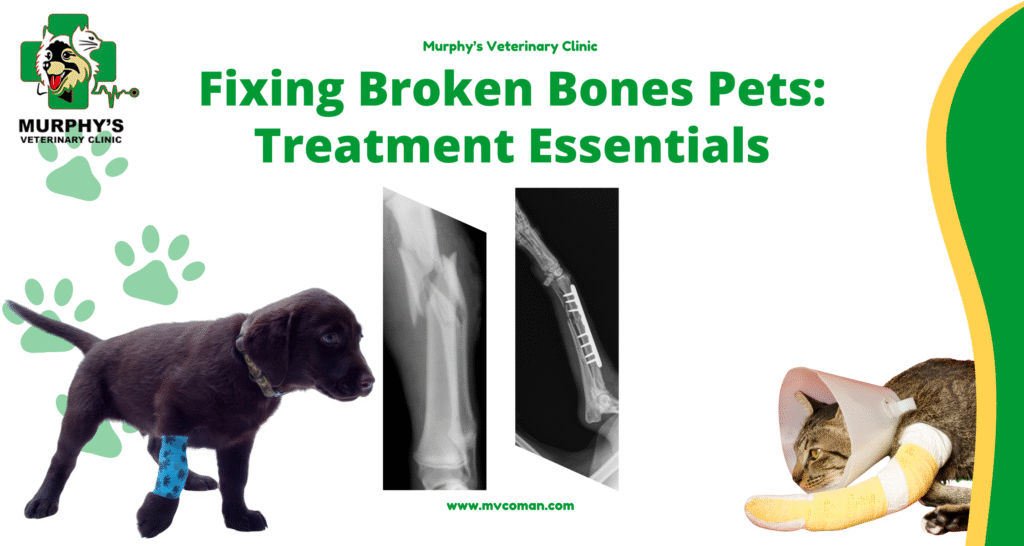
Fixing Broken Bones Pets is a critical aspect of modern veterinary medicine, focused on restoring stability and normal limb function after bone injuries. Bone fractures in animals often result from accidents, falls, or direct trauma, and veterinarians determine the type and location of the fracture using radiography or CT scans. Treatment varies based on severity and complexity—some cases respond well to splints or casts, while more serious fractures require surgical intervention with pins, screws, or metal plates for accurate stabilization. Successful outcomes rely on strict aseptic technique, controlled anesthesia, and attentive postoperative care. Anti-inflammatory medication, antibiotics, and proper pain management support recovery, while limiting movement is essential to ensure complete bone healing. When diagnosis, surgery, and rehabilitation are performed systematically, pets can safely return to normal activity and regain full mobility.
Types of Fractures in Domestic Animals for Fixing Broken Bones Pets
In Fixing Broken Bones Pets, the first step is accurately identifying the fracture type. Fractures can be open, closed, comminuted, or oblique. Proper classification helps the veterinarian select the most suitable treatment method. Simple fractures are typically managed non-surgically, whereas fractures involving surrounding tissues require surgical repair. Age, fracture location, and overall health of the animal also influence decision-making. Each fracture type in Fixing Broken Bones Pets demands a different approach to prevent complications like delayed union or infection.
- Open and closed fractures
- Oblique and transverse fractures
- Comminuted fractures
- Growth plate fractures in young animals
Fracture Stabilization Methods in Veterinary Orthopedics
Stabilization is critical in Fixing Broken Bones Pets to restore normal bone structure and function. Depending on the fracture, techniques include casting, pinning, screw fixation, or metal plating. The veterinarian decides on internal or external fixation based on fracture location, animal weight, and bone condition. Proper stabilization prevents bone displacement and promotes faster recovery. Simple, superficial fractures may only require a splint or cast, while complex fractures need advanced surgical intervention. Maintaining sterile conditions and precise placement of fixation devices are key components of Fixing Broken Bones Pets.
| Stabilization Method | Brief Description | Indications | Approximate Healing Time |
| Splint or Cast | Non-surgical method for simple fractures | Small limbs | 4–6 weeks |
| Intramedullary Pin | Metal rod inside bone canal | Long bone fractures | 6–8 weeks |
| Plate and Screw | Metal plate fixed with screws | Complex fractures | 8–10 weeks |
| External Fixator | External frame with pins | Open or deep fractures | Up to 12 weeks |
Advanced Surgical Tools and Fixation Techniques
Modern veterinary surgery has enhanced the safety and precision of Fixing Broken Bones Pets. Surgeons now use advanced tools, including titanium plates, self-locking screws, and intraoperative imaging guidance. ORIF (Open Reduction and Internal Fixation) is a commonly applied technique, where fractured bones are realigned and stabilized internally. In some cases, bone grafts or bioactive materials are used to accelerate healing. Maintaining proper blood supply and sterile conditions is essential in these procedures. Proper execution of Fixing Broken Bones Pets in complex surgeries minimizes infection risk and malunion, enabling pets to regain normal function more quickly.
- ORIF surgery
- Use of titanium plates
- Bone grafts and biomaterials
- Intraoperative 3D imaging
Postoperative Care and Pain Management in Fixing Broken Bones Pets
Postoperative care is critical in Fixing Broken Bones Pets, ensuring safe and effective recovery after fracture treatment. Animals must rest in a clean, quiet environment to avoid reinjury. Veterinarians typically prescribe NSAIDs and antibiotics to manage pain and prevent infection. Regular wound monitoring and timely dressing changes are essential, while proper nutrition—especially adequate protein and minerals—supports bone repair. Periodic radiographic evaluations help confirm correct healing progress. When postoperative measures are followed carefully, complications such as infection, delayed union, and chronic pain are greatly reduced, allowing pets to heal properly and regain comfort.
| Care Stage | Description | Recommended Duration | Primary Goal |
| Pain Management | NSAIDs as prescribed | 1–2 weeks | Reduce inflammation and discomfort |
| Wound Care & Dressing | Regular checking and dressing changes | Every 2–3 days | Prevent infection |
| Activity Restriction | Cage or leash confinement | 4–6 weeks | Maintain bone stability |
| Radiographic Monitoring | Periodic X-rays | Weeks 4 and 8 | Assess bone healing |
Rehabilitation and Physical Therapy After Fracture Treatment
Rehabilitation is a critical step in Fixing Broken Bones Pets, ensuring the restoration of full mobility after injury. Physical therapy may include controlled exercises, massage, stretching, and occasionally hydrotherapy to improve blood flow, strengthen muscles, and prevent joint stiffness. Veterinarians design individualized rehabilitation plans based on the fracture type and the animal’s overall condition. Dietary supplements containing calcium and vitamin D can also support bone healing. With consistent therapy, most animals return to normal activity faster, and regular follow-up evaluations help ensure complete functional recovery. Properly managed rehabilitation significantly enhances a pet’s quality of life.
- Hydrotherapy and pool exercises
- Massage therapy and muscle stretching
- Range-of-motion exercises
- Bone-supporting nutritional supplements
Conclusion
Successful Fixing Broken Bones Pets requires a combination of scientific knowledge, surgical expertise, and meticulous postoperative care. From accurate diagnosis to rehabilitation, every step plays a vital role in complete recovery. Maintaining hygiene, controlling pain, and ensuring proper nutrition are essential components of the healing process. Correct fracture identification and appropriate stabilization techniques significantly increase treatment success. Postoperative care and physical therapy help prevent joint stiffness and restore full function. With careful attention to detail, animals can regain mobility and live pain-free. The ultimate goal of veterinary orthopedic care is to achieve effective physical healing while supporting overall animal welfare.
Murphy’s Veterinary Clinic is a leading center in Fixing Broken Bones Pets, offering comprehensive services including orthopedic surgery, advanced imaging, pain management, and rehabilitation. The clinic’s team of experienced surgeons and staff ensures the highest standard of care for injured pets. Postoperative care and tailored rehabilitation programs are provided to promote safe and rapid recovery. Murphy’s ultimate goal is to restore mobility, reduce pain, and improve the quality of life for all pets.
