
Diseases & Treatments, Health & General Care, Veterinary Science & Advances
Nasal Sinus Diseases in Pets
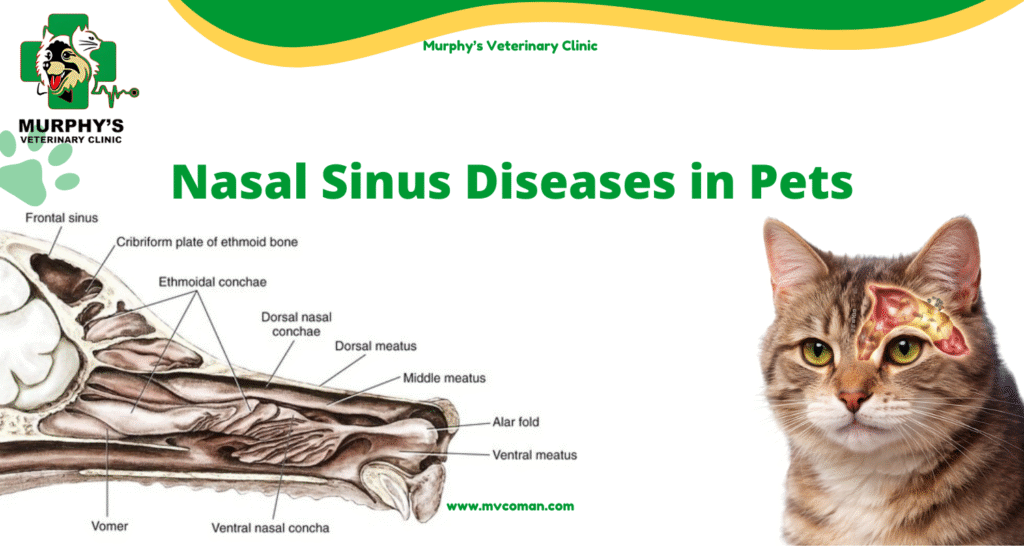
Dec
Topics covered in this article:
- Causes of Nasal Sinus Diseases in Pets
- Diagnostic Methods for Nasal Sinus Diseases in Pets
- Common Treatments for Nasal Sinus Diseases in Pets
- Breed and Structural Influence
- Preventing Long-Term
- Conclusion
Nasal Sinus Diseases in Pets represent a significant group of respiratory disorders that can profoundly impact the comfort and overall health of companion animals. The intricate anatomy of the nasal cavity and paranasal sinuses makes these structures highly susceptible to inflammation, obstruction, and infection. In many cases, the early stages of Nasal Sinus Diseases in Pets develop silently, with subtle signs that often go unnoticed by owners. What may seem like mild nasal discharge, sneezing, or occasional congestion can be the first indicators of a more serious underlying condition. If not addressed promptly, these issues may progress into chronic inflammation, persistent microbial infections, or even structural damage within the sinus passages. Timely diagnosis of Nasal Sinus Diseases typically requires advanced veterinary evaluation, including thorough physical examination, diagnostic imaging, and laboratory testing. Environmental management also plays a crucial role in decreasing respiratory irritants and preventing disease progression. Awareness of risk factors, early symptoms, and preventive strategies helps owners protect their pets from complications associated with Nasal Sinus Diseases.
Causes of Nasal Sinus Diseases in Pets
A wide range of factors contribute to the onset of Nasal Sinus Diseases in Pets, including environmental triggers, structural abnormalities, infectious agents, and allergic responses. Some animals have a genetic predisposition that makes their nasal mucosa more sensitive to inflammation, while others become affected due to airborne irritants, household pollutants, or seasonal allergens. Animals living in dusty, humid, or poorly ventilated environments face an increased risk of developing chronic congestion or sinus blockage. Bacterial and fungal pathogens are also frequent contributors to Nasal Sinus Diseases in Pets, often beginning with mild symptoms that escalate into severe infections if left untreated. Congenital deformities such as septal deviation or narrowed nasal passages disrupt normal airflow and predispose pets to sinus inflammation. Understanding these causes allows veterinarians and owners to identify risks early and reduce the likelihood of long-term tissue damage.
- Environmental triggers
- Infectious agents
- Structural abnormalities
- Allergic conditions
Diagnostic Methods for Nasal Sinus Diseases in Pets
Accurate diagnosis of Nasal Sinus Diseases in Pets requires detailed evaluation using both clinical assessment and advanced imaging techniques. Because the nasal cavity and sinuses are anatomically complex, a simple physical examination is often insufficient for identifying the underlying cause. Radiography is commonly used to detect structural changes, while CT scanning provides high-resolution imaging of sinus chambers, enabling veterinarians to visualize inflammation, masses, or obstruction with precision. Laboratory testing, such as cytology and microbial culture, is essential for identifying infectious organisms responsible for sinus disease. Early diagnosis not only prevents disease progression but also helps tailor treatment strategies specific to the pathology involved in Nasal Sinus Diseases in Pets.
| Method | Purpose | Advantage | Limitation |
| Physical examination | Initial symptom assessment | Quick and simple | Limited visualization |
| Radiography | Detecting obstruction or inflammation | Accessible | Lower detail than CT |
| CT Scan | Detailed structural evaluation | Highest accuracy | Higher cost |
| Microbial testing | Identifying infectious organisms | Precise pathogen detection | Requires lab processing |
Common Treatments for Nasal Sinus Diseases in Pets
Treatment for Nasal Sinus Diseases in Pets varies depending on the underlying etiology, but the primary goals include reducing inflammation, clearing obstruction, and controlling microbial infections. When bacterial causes are confirmed, appropriate antibiotics are prescribed, while fungal sinusitis requires targeted antifungal therapy. Anti-inflammatory medications help decrease mucosal swelling and restore airflow. Supportive care such as humidification, saline nasal flushing, and environmental modification plays a vital role in symptom relief. Pets with chronic or recurrent Nasal Sinus Diseases in Pets may require long-term management and periodic reassessment to prevent relapse. In cases involving structural abnormalities, surgical correction may be recommended to restore normal sinus drainage. Adherence to the full course of treatment is critical, as premature discontinuation can lead to recurrence and worsening of symptoms.
- Anti-inflammatory therapy
- Antimicrobial treatment
- Nasal irrigation
- Humidification support
- Surgical correction
Breed and Structural Influence
Breed-related anatomical characteristics significantly affect the likelihood of developing Nasal Sinus Diseases in Pets. Brachycephalic breeds, with their shortened nasal passages and compact facial structure, are especially prone to airway resistance and impaired sinus drainage. Even minimal swelling in these breeds can lead to pronounced respiratory difficulty. Pets with congenital nasal deformities, polyps, or septal deviation experience compromised airflow and an increased risk of chronic sinus inflammation. Understanding a breed’s structural predisposition helps veterinarians anticipate complications and choose optimal treatment strategies for Nasal Sinus Diseases in Pets. Owners of high-risk breeds should be particularly vigilant during seasonal allergy periods or environmental changes that may exacerbate respiratory symptoms.
| Breed Type | Structural Feature | Risk Level | Care Requirement |
| Brachycephalic breeds | Shortened muzzle | High | Very high |
| Large breeds | Wide sinus cavities | Moderate | Moderate |
| Small breeds | Narrow nasal passages | Moderate–High | High |
| Allergy-prone breeds | Sensitive mucosa | High | High |
Preventing Long-Term
Preventive care is crucial for reducing the incidence of Nasal Sinus Diseases in Pets and ensuring long-term respiratory health. Minimizing exposure to dust, smoke, and chemical irritants helps decrease airway inflammation and prevents chronic irritation of the nasal mucosa. Proper ventilation, the use of air purifiers, and maintaining a clean living environment significantly reduce respiratory burden. Strengthening the immune system through balanced nutrition enhances the pet’s ability to resist infections commonly associated with Nasal Sinus Diseases in Pets. Regular veterinary checkups are essential for animals with a history of sinus issues, as early intervention ensures more effective treatment. In sensitive breeds, managing seasonal triggers and environmental stressors becomes a key factor in preventing recurrent episodes. Preventive care is always safer, easier, and less costly than treating advanced disease.
- Allergen control
- Proper ventilation
- Immune strengthening
- Environmental hygiene
- Routine veterinary monitoring
Conclusion
Nasal Sinus Diseases in Pets encompass a wide range of conditions that can significantly affect the respiratory comfort and overall well-being of animals. Recognizing early signs such as sneezing, nasal discharge, or breathing difficulty is essential for preventing disease progression. Prompt diagnosis and adherence to complete treatment plans lead to better outcomes and reduced recurrence. Environmental management, increased awareness of breed-related risks, and early veterinary intervention all play critical roles in long-term disease control. By understanding how Nasal Sinus Diseases in Pets develop and how they can be prevented, owners can better protect their animals from chronic discomfort and potential complications.
Murphy’s Veterinary Clinic offers advanced diagnostic tools and specialized care for pets affected by Nasal Sinus Diseases in Pets. With access to high-resolution imaging, endoscopy, laboratory diagnostics, and expert clinical evaluation, the clinic provides precise and individualized treatment plans. Their team supports owners throughout the diagnostic and recovery process, ensuring both effective medical therapy and long-term disease management strategies. The clinic also guides owners in environmental modifications and preventive practices to reduce the recurrence of sinus problems.
