
Diseases & Treatments, Health & General Care, Nutrition & Diet
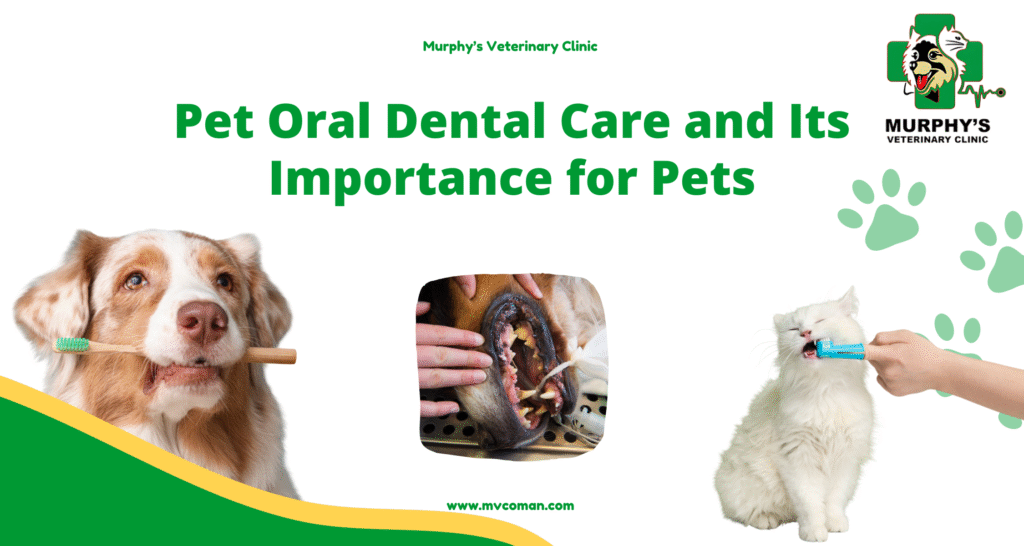
Pet Oral Dental Care and Its Importance for Pets
Nov
Topics covered in this article:
- Routine Oral Examinations in Pets
- Professional Dental Cleaning in Pets
- The Role of Nutrition in Oral Health
- Common Oral and Dental Diseases in Pets
- Home Prevention and Daily Dental Care for Pets
- Conclusion
pet Oral Dental Care and Its Importance for Pets highlights a critical component of veterinary preventive medicine and emphasizes the essential role of pet oral dental care in maintaining systemic health. Oral inflammation and periodontal pathogens can enter the bloodstream and negatively affect vital organs such as the heart, liver, and kidneys. Most adult pets develop degrees of periodontal disease by age three, making early detection and routine evaluation indispensable. Many owners overlook subtle signs like halitosis, gingival redness, and chewing discomfort, even though these are often early indicators of oral pathology. Structured examination, routine dental cleaning, and proper home care play a significant role in comprehensive pet oral dental care. Subgingival disease often progresses silently, which underscores the need for professional assessment. Preventive strategies can significantly reduce the need for invasive procedures later in life. Understanding the deeper anatomical structures of the oral cavity enables better management of chronic dental conditions. Daily brushing, dental diets, and veterinary follow-ups are core elements of pet oral dental care. Increased awareness not only prevents disease but also helps avoid costly treatments. Oral health has a direct impact on behavior, appetite, and overall vitality. With a well-structured approach to pet oral dental care, long-term wellbeing is more easily achieved. Ultimately, protecting oral health is a fundamental responsibility of every pet owner.
Routine Oral Examinations in Pets
Routine clinical examinations are essential components of pet oral dental care and allow veterinarians to identify abnormalities before they progress into advanced pathology. These assessments typically include inspection of the gingiva, occlusion, mucosal surfaces, and evaluation for dental fractures or subgingival disease. Many oral conditions advance silently, making professional evaluation a crucial preventive step. Early recognition of gingivitis, malocclusion, or periodontal pockets helps reduce future tissue destruction. Radiographic imaging is often required to detect root lesions or bone loss not visible on the surface. Any changes in chewing behavior, drooling, or oral sensitivity should prompt further evaluation. Integrating these examinations into routine pet oral dental care significantly improves long-term outcomes.
• Gingival assessment
• Posterior tooth evaluation
• Detection of hidden inflammation
• Pain identification
Professional Dental Cleaning in Pets
Professional dental cleaning is a major pillar of pet oral dental care and targets plaque and calculus both above and below the gingival margin. Without timely removal, bacterial biofilm can progress to advanced periodontal disease, leading to tooth mobility or systemic infection. This procedure is performed under general anesthesia to ensure safety, minimize pain, and allow thorough subgingival scaling. Ultrasonic instruments and curettes are used to debride the tooth surface and root structures effectively. Post-cleaning polishing smooths enamel and reduces future plaque accumulation. Professional cleaning significantly improves quality of life, reduces halitosis, and helps prevent progression of chronic disease. Follow-up care is essential for maintaining results and supporting long-term pet oral dental care.
Professional Dental Cleaning Stages
| Stage | Description |
| Initial assessment | Oral evaluation before the procedure |
| Safe anesthesia | Ensuring comfort and immobilization |
| Deep scaling | Subgingival plaque and calculus removal |
| Final polishing | Smoothing enamel to prevent re-adhesion |
The Role of Nutrition in Oral Health
Nutrition plays a vital role in pet oral dental care and directly affects plaque accumulation, gingival health, and oral microbiome balance. Special dental diets are designed to create mechanical abrasion that helps clean tooth surfaces during chewing. Dry kibble with appropriate texture can reduce the rate of calculus formation. Formulas enriched with antimicrobial agents can also support periodontal health. Various supplements assist in improving saliva quality and oral immunity. Choosing appropriate food textures is crucial, as certain soft diets may accelerate plaque buildup. Monitoring how nutrition influences gingival inflammation provides valuable insight for maintaining long-term health. Incorporating proper diet strategies remains a core aspect of pet oral dental care.
• Dental dry food
• Low-plaque diets
• Oral supplements
• Textured dental chews
Common Oral and Dental Diseases in Pets
Oral diseases are among the most prevalent conditions requiring structured pet oral dental care. Periodontal disease, stomatitis, tooth fractures, and periapical abscesses are common problems often undetected in early stages. Many chronic oral conditions cause reduced appetite, behavioral changes, and significant discomfort if left untreated. Specific breeds are predisposed to more severe periodontal disorders and require more frequent monitoring. Early diagnosis minimizes tissue destruction and prevents long-term complications. Treatment may include antimicrobial therapy, extractions, surgical intervention, and radiographic evaluation to assess root health. Proper management is vital for preventing systemic consequences. This section emphasizes the critical importance of integrating disease control within pet oral dental care.
| Disease | Description |
| Periodontal disease | Inflammation and loss of supporting tissues |
| Stomatitis | Severe inflammation of oral mucosa |
| Root abscess | Purulent infection surrounding the tooth root |
| Tooth fracture | Structural damage to enamel or dentin |
Home Prevention and Daily Dental Care for Pets
Home prevention serves as a cornerstone of pet oral dental care and drastically reduces the need for extensive professional treatments. Daily brushing with enzymatic toothpaste is one of the most effective methods for controlling plaque. Owners should monitor changes such as halitosis, altered chewing patterns, or visible tartar accumulation. Using dental gels, water additives, and textured chews enhances preventive measures. Creating a consistent home-care routine supports oral hygiene and reduces bacterial colonization. Behavioral conditioning helps pets tolerate brushing more easily over time. Education of pet owners plays a critical role in early detection and daily maintenance. Preventive home care is indispensable for sustaining long-term oral health and ensuring overall wellbeing in pets.
• Daily brushing
• Enzymatic toothpaste
• Dental treats
• Breath-control products
Conclusion
Oral and dental health is fundamental to overall wellbeing in pets and directly affects their comfort, appetite, and longevity. Untreated oral disease can progress to systemic complications, highlighting the importance of early detection and prevention. Routine examinations, professional cleaning, and appropriate nutrition are essential elements in reducing the risk of advanced periodontal disease. Home care practices—including brushing and dental supplements—strengthen daily prevention significantly. Integrating professional and home-based strategies reduces the need for invasive treatments and improves long-term quality of life. Increased owner awareness leads to earlier recognition of oral abnormalities. Preventive care significantly decreases healthcare expenses over time. With structured and continuous pet oral dental care, pets can enjoy healthier and more comfortable lives. A proactive approach is key to preserving lifelong oral health.
Murphy’s Veterinary Clinic provides comprehensive dental services, including full oral examinations, professional scaling and polishing, digital dental radiography, periodontal therapy, and surgical management of oral diseases. The clinic also offers individualized home-care guidance, nutritional counseling, and preventive care plans to maintain long-term oral health. With advanced equipment and experienced veterinary professionals, Murphy’s ensures accurate diagnosis, safe treatment, and ongoing support for all aspects of pet oral dental care.
