
Diseases & Treatments, Health & General Care, Vaccination & Prevention
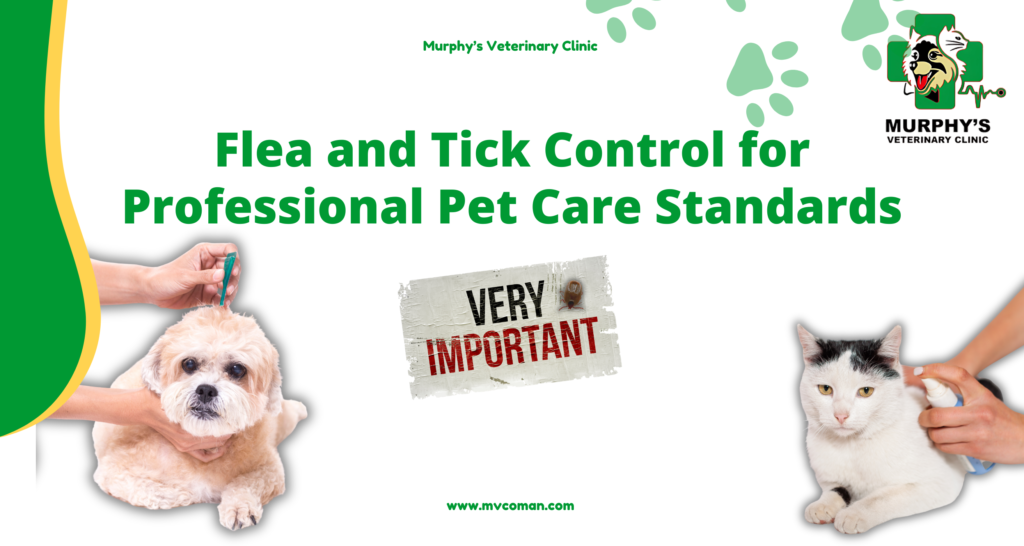
Flea and Tick Control for Professional Pet Care Standards
Apr
Topics covered in this article:
- Flea and Tick Control and Vector-Borne Diseases
- Flea and Tick Control and Allergic Skin Reactions
- Control and Zoonotic Transmission Risks
- Control in Comprehensive Veterinary Healthcare
- Conclusion
Flea and Tick Control for Professional Pet Care Standards is a fundamental necessity that ensures the long-term health and comfort of domestic animals. Implementing a consistent strategy against these parasites is not merely a matter of hygiene but a critical medical intervention in veterinary practice. These invasive organisms reproduce at an alarming rate, meaning even a minor oversight can lead to a severe and widespread infestation within the home environment. Veterinarians emphasize that using standardized products provides a robust clinical defense against a variety of painful and debilitating conditions. Beyond protecting the individual animal, these measures play a vital role in safeguarding public health by reducing the risk of zoonotic diseases. Modern advancements in pharmacology have introduced highly effective treatments that are safer and more persistent than traditional methods used in the past. It is essential for owners to understand that prevention is significantly more cost-effective and less stressful than treating a full-blown infestation. Professional guidance helps in selecting the right products based on the specific needs, age, and lifestyle of the pet. Consistent application throughout the year ensures that the animal remains protected even during seasonal shifts in parasite activity. By prioritizing these preventive standards, owners contribute to a healthier ecosystem for both their families and their beloved animal companions.
Flea and Tick Control and Vector-Borne Diseases
Vector-borne diseases represent a significant clinical threat to pets, as parasites like ticks can transmit dangerous pathogens such as Ehrlichia during feeding. Effective Flea and Tick Control is the primary method to intercept these infections before they cause systemic damage to the animal’s internal organs. Many of these diseases remain asymptomatic in the early stages, making them difficult to detect without specialized blood tests. If left untreated, the biological impact on the immune system can be devastating and, in some cases, lead to terminal complications. Prophylactic treatments ensure that the host remains unattractive to the parasite, effectively breaking the transmission cycle.
- Ehrlichiosis
- Lyme Disease
- Babesiosis
- Anaplasma
Flea and Tick Control and Allergic Skin Reactions
Allergic reactions, specifically Flea Allergy Dermatitis (FAD), are common reasons for veterinary consultations in small animal clinics. This condition is triggered by hypersensitivity to antigens in parasite saliva, leading to intense pruritus and skin inflammation. A single bite can cause a cascade of allergic responses, resulting in self-trauma and secondary bacterial infections. Therefore, Flea and Tick Control is the mandatory first step in managing any pet suffering from chronic skin irritation. Without eliminating the primary allergen source, topical creams will only provide temporary relief for the suffering animal.
| Clinical Parameter | Condition Details | Management Strategy |
| Primary Stimulus | Salivary Antigens | Complete parasite removal |
| Symptoms | Pruritus and Erythema | Anti-inflammatory therapy |
| Common Sites | Tail base and Groin | Medicated baths and hygiene |
| Complications | Secondary Pyoderma | Monthly Flea and Tick Control |
Flea and Tick Control and Anemia Caused by Parasites
Parasitic anemia occurs when a high volume of fleas consumes a significant portion of the host’s circulating blood volume. Integrating Flea and Tick Control into routine care is vital to prevent the onset of lethargy and physiological weakness in small pets. Owners may notice pale gums, which indicate that the pet is struggling with a high parasitic load. Veterinary intervention often requires aggressive treatment to stabilize the patient, including potential blood transfusions in neglected cases. Scientific prevention remains the safest way to ensure that the animal’s hematological health remains stable.
- Pale Mucous Membranes
- Generalized Lethargy
- Reduced Hematocrit Levels
- Compensatory Tachycardia
Control and Zoonotic Transmission Risks
Zoonotic risks involve the transmission of diseases from animals to humans, often facilitated by external parasites. Ticks and fleas can carry pathogens from the wild into the home, posing a direct threat to the family. Consequently, Flea and Tick Control serves as a public health measure that protects vulnerable individuals, such as children, from infections. Diseases like Cat Scratch Fever can cause serious illness in humans if they are accidentally bitten by an infected parasite. Managing the pet’s environment ensures that the house remains a safe sanctuary for everyone.
| Zoonotic Disease | Transmission Source | Human Symptoms | Prevention Step |
| Cat Scratch Disease | Flea Feces (Bartonella) | Fever and Swollen Nodes | Flea and Tick Control |
| Lyme Disease | Infected Ixodes Ticks | Bullseye Rash and Pain | Regular Tick Inspection |
| Dipylidiasis | Ingested Flea Larvae | Digestive Issues | Consistent Deworming |
| Rickettsiosis | Spotted Fever Group | Fever and Muscle Aches | Environmental Sanitation |
Control in Comprehensive Veterinary Healthcare
Comprehensive veterinary care involves a holistic approach where preventive medicine is prioritized to avoid expensive systemic illnesses. A specialized program for Flea and Tick Control must be tailored to the specific geographical risks and the health profile of the pet. Veterinarians play a crucial role in monitoring for signs of drug resistance and ensuring that products remain effective. Professional expertise is needed to differentiate between retail-grade options and high-potency clinical medications. Investing in high-quality prevention today prevents the physical suffering of the animal and future medical crises.
- Use of Systemic Parasiticides
- Environmental Hygiene Standards
- Professional Risk Assessment
- Regular Clinical Monitoring
Conclusion
To summarize, the medical importance of Flea and Tick Control cannot be overstated in modern veterinary medicine. This article has highlighted how parasitic management prevents severe conditions like vector-borne diseases and chronic allergic dermatitis in pets. Consistency in treatment is the only way to combat the rapid reproductive cycles of these organisms and maintain a safe home. By choosing professional-grade products, owners ensure that their pets are protected by the latest scientific advancements. A proactive stance on prevention is always more effective than reactive treatments for established infestations. Ultimately, a parasite-free life is a fundamental right for every pet and a responsibility for every dedicated owner.
Murphy’s Veterinary Clinic is dedicated to providing the highest level of care through customized Flea and Tick Control programs. Our expert team utilizes advanced diagnostic tools to ensure your animal is free from parasites and the dangerous diseases they carry. We offer the latest veterinary-approved medications and professional advice to help you maintain a healthy environment at home. Visit Murphy’s Veterinary Clinic today to receive a personalized prevention plan that guarantees the long-term well-being of your beloved pet.
