
Diseases & Treatments, Health & General Care, Special Care
Post-Surgical Care Guide for Pet Recovery and Health
Apr
Topics covered in this article:
- Post-Surgical Care Veterinary Checklist for Pet Owners
- Pain Management and Silent Signs of Pet Distress
- Complications and When to Contact the Veterinarian
- Wound Care and the Owner Role in Healing
- Nutrition and Supplements Supporting Recovery
- Conclusion
Post-Surgical Care is one of the most critical phases in the journey toward the complete recovery and health of pets, requiring precision, patience, and specialized knowledge from owners alongside veterinary guidance. When an animal undergoes a surgical procedure, their body enters a sensitive metabolic phase where the immune system and tissue repair processes operate at maximum capacity; therefore, proper management of the environment and medication during this period can prevent secondary infections or dehiscence. Post-Surgical Care involves close monitoring of vital signs, pain management, and providing a calm, stress-free space so the animal can focus its energy on rebuilding damaged tissues. Many pet owners assume that once they leave the clinic, the hardest part is over, but the reality is that Post-Surgical Care at home is the primary determinant of the surgery’s success or failure. Failure to follow hygiene protocols or allowing premature physical activity can lead to hernias, internal bleeding, or prolonged delays in skin layer fusion. Utilizing equipment such as Elizabethan collars or restricting movement in a crate are inseparable parts of Post-Surgical Care that may seem unpleasant to the owner but are essential for the patient’s health. Understanding the difference between normal inflammation-induced swelling and abnormal fluid accumulation (seroma) is a part of the Post-Surgical Care knowledge that every responsible guardian must master to take action at the right time.
Post-Surgical Care Veterinary Checklist for Pet Owners
Post-Surgical Care in the first 24 hours is absolutely vital for ensuring a safe transition from anesthesia to home recovery. Owners must monitor thermoregulation and consciousness with extreme care while providing a warm, floor-level bedding to prevent accidental falls. In this initial stage of Post-Surgical Care, nutrition should begin with small, easily digestible meals to avoid gastrointestinal upset caused by sedatives. Strict confinement is mandatory to prevent tension in the sutured muscle layers, ensuring the internal repair remains intact. Always keep the clinic’s emergency contact ready for any unexpected changes during the Post-Surgical Care routine.
- Monitoring Body Temperature and Rest Environment
- Strict Restriction of Physical Activity and Walks
- Observation of Elimination and GI Function
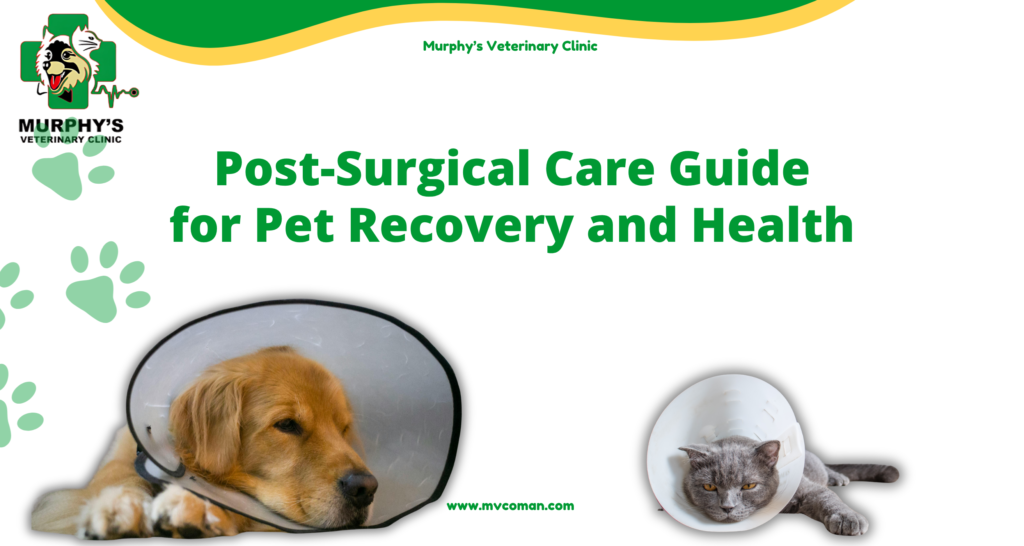
- Constant Use of the Elizabethan Collar (E-Collar)
Pain Management and Silent Signs of Pet Distress
Effective Post-Surgical Care requires identifying subtle pain signals, as pets instinctively hide vulnerability. Pharmacological management must be proactive, following a precise schedule to prevent severe pain spikes that can increase cortisol and weaken the immune response. Owners should watch for mydriasis, tachypnea, or restlessness, which are key indicators of discomfort. Adhering to the medication protocol, even if the pet appears calm, is a non-negotiable part of Post-Surgical Care to prevent self-mutilation and secondary infections.
| Clinical Sign of Pain | Required Action in Post-Surgical Care | Priority |
| Persistent Panting and Tachypnea | Review analgesic dose and contact vet | High |
| Restlessness and Inability to Settle | Gently adjust body position and use compresses | Medium |
| Body Tremors and Pupil Dilation | Ensure administration of anti-inflammatories | High |
| Inappetence and Reluctance to Move | Use gastrointestinal support alongside analgesics | Medium |
Complications and When to Contact the Veterinarian
Distinguishing between normal healing and serious complications is a vital skill in Post-Surgical Care. While mild redness is common, purulent discharge or active hemorrhage indicates a failure in recovery and potential bacterial infection. In specialized Post-Surgical Care protocols, any suture dehiscence or dark tissue discoloration is a medical emergency requiring immediate intervention. Early detection of these symptoms is much safer and more cost-effective than treating systemic sepsis later. Your vigilance in the Post-Surgical Care phase is the main pillar of a successful long-term treatment.
- Active Bleeding or Purulent Discharge from Wound
- Suture Dehiscence or Chewing of Stitches by the Pet
- Extreme Lethargy and Non-Responsiveness to Stimuli
- Persistent Vomiting or Hemorrhagic Diarrhea Post-Op
Wound Care and the Owner Role in Healing
Maintaining a clean surgical site directly impacts how fast the epidermal layers repair during Post-Surgical Care. Owners should keep the area dry and cool, avoiding harsh irritants like alcohol which can damage new cells. Using physical barriers like surgical onesies or Elizabethan collars is mandatory until the day of suture removal to prevent self-trauma. Proper Post-Surgical Care ensures tissue apposition is maintained and prevents mechanical stress from tearing the healing skin.
| Care Factor | Guideline in Post-Surgical Care | Prohibitions |
| Wound Cleaning | Daily inspection with clean gloves | Washing with shampoo or harsh antiseptics |
| Physical Protection | Use of surgical suits or bandaging | Licking of the wound (strictly prohibited) |
| Suture Removal Timing | Typically 10 to 14 days post-op | Removing stitches early by the owner |
| Environmental Moisture | Keep in a completely dry area | Bathing or wetting the surgical site |
Nutrition and Supplements Supporting Recovery
High-quality nutrition provides the essential fuel for cellular repair throughout the Post-Surgical Care process. Proteins, amino acids, and Omega-3 fatty acids play key roles in collagen synthesis and reducing tissue inflammation. If a pet is reluctant to eat, using high-calorie recovery diets is a recommended strategy in Post-Surgical Care to maintain energy. Hydration is also critical, as it supports blood flow to the wound’s peripheral capillaries. Consulting a vet for specific supplement dosages is the final step in professional Post-Surgical Care.
- Increasing High-Digestibility Protein Levels
- Adding Omega-3 Supplements to Reduce Inflammation
- Using Probiotics to Regulate Gastrointestinal Flora
- Ensuring Adequate Water and Essential Electrolytes
Conclusion
Post-Surgical Care builds the essential bridge between the operating room and a pet’s return to a joyful, normal life. By following scientific protocols—from pain management to nutritional support—you minimize complications and ensure a swift recovery. Remember that each animal heals at its own pace, making personalized attention a cornerstone of effective Post-Surgical Care. Your patience and vigilance are the best medicines for a recovering companion. Ultimately, successful Post-Surgical Care safeguards the surgical team’s efforts and restores your pet’s quality of life. Once the recovery period is complete, your pet will be ready to return to their daily adventures with full energy.
Murphy’s Veterinary Clinic stands by you through every stage of Post-Surgical Care with experienced staff and advanced equipment. We draft personalized recovery plans, offering specialized pain control and nutritional counseling to ensure a painless journey for your pet. Our specialists at Murphy’s Veterinary Clinic are always ready to support you with expert advice during the post-operative phase.
