
Diseases & Treatments, Environment & Pet Care at Home, Nutrition & Diet
Sunlight Deficiency and Metabolic Diseases: Skeletal Weakness
Jul
Topics covered in this article:
- The Musculoskeletal Impact of Sunlight Deficiency and Metabolic Pathologies
- Risk Factors of Sunlight Deficiency and Metabolic Bone Disorders in Indoor Pets
- Orthopedic Consequences of Sunlight Deficiency and Metabolic Deficiencies in Specific Breeds
- Nutritional Strategies to Counteract Sunlight Deficiency and Metabolic Bone Alterations
- Diagnostic Modalities for Evaluating Metabolic Bone Diseases
- Conclusion
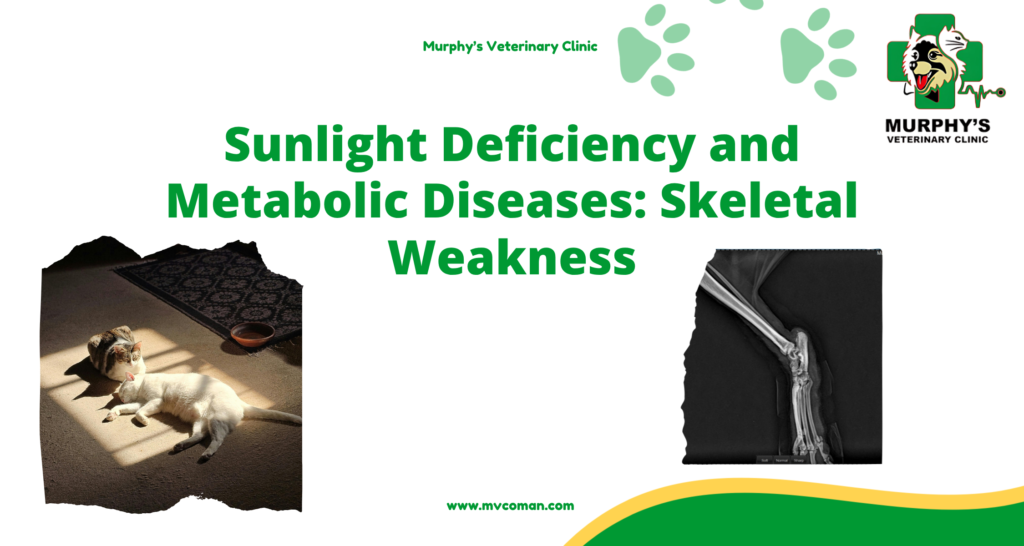
Sunlight Deficiency and Metabolic Diseases, and Skeletal Weakness, directly compromising systemic health. Inadequate exposure to solar ultraviolet radiation impairs the endogenous biosynthesis of vitamin D3 in the dermis, subsequently triggering numerous metabolic bone disorders. These conditions are strongly associated with a sharp decline in intestinal calcium and phosphorus absorption, ultimately leading to demineralization or decreased mineral density of bone tissues. Companion animals kept strictly indoors are highly predisposed to this pathological condition. Affected canine and feline patients may present with a variety of clinical signs, including lameness, lethargy, and joint pain. Without direct insolation, the physiological calcification of bones is disrupted, paving the way for rickets in growing orthopedic patients and osteomalacia in mature animals. Therefore, understanding the hidden impacts of these bone pathologies on the musculoskeletal system of pets is absolutely vital for owners to prevent irreversible structural damage and improve quality of life.
The Musculoskeletal Impact of Sunlight Deficiency and Metabolic Pathologies
The lack of adequate solar exposure suppresses vitamin D biosynthesis, severely accelerating the pathogenesis of metabolic bone diseases in companion animals. Sunlight Deficiency and Metabolic bone derangements stimulate an elevated secretion of parathyroid hormone, which induces osteoclast-mediated bone resorption and results in profound skeletal weakness. Under these clinical conditions, osteoblasts lose their capacity to effectively rebuild the extracellular bone matrix, leading to a drastic decline in the mechanical stability of the pet’s skeleton.
- Inhibition of dermal vitamin D3 biosynthesis
- Secondary nutritional hyperparathyroidism
- Severe malabsorption of calcium and phosphorus
- Pathological demineralization of cortical bone
Risk Factors of Sunlight Deficiency and Metabolic Bone Disorders in Indoor Pets
The continuous confinement of companion animals within indoor environments serves as the primary catalyst for skeletal calcium derangements. Sunlight Deficiency and Metabolic disruptions stemming from an indoor lifestyle establish a massive barrier against the biological activation of essential vitamins, heavily threatening overall skeletal integrity. Recognizing environmental and genetic predisposing factors allows veterinary clinicians to identify at-risk pets promptly and institute preventive protocols to counteract Sunlight Deficiency and Metabolic bone degradation.
| Risk Factor | Impact on Skeletal Weakness in Pets |
| Vitamin D Deficiency | Reduced calcium absorption and bone softening |
| Indoor Living Conditions | Decreased skin synthesis of vitamin D with sunlight |
| Long-haired Breeds | Reduced sunlight effectiveness on skin |
| Absence of Vitamin D Supplements | Increased risk of spontaneous fractures |
Orthopedic Consequences of Sunlight Deficiency and Metabolic Deficiencies in Specific Breeds
Breeds characterized by high coat density face severe UV radiation blockage, making them the most vulnerable subpopulation to structural osseous disorders. Sunlight Deficiency and Metabolic bone complications progress much faster in these specific dogs and cats, generating severe orthopedic manifestations like pathological osteopenia. Without timely therapeutic intervention, these structural deformities induced by Sunlight Deficiency and Metabolic imbalances subject the animal to debilitating chronic pain and permanent conformational abnormalities in their locomotor limbs.
- Reduced UV radiation penetration in long-coated breeds
- Intermittent and chronic orthopedic lameness
- Alterations in feline and canine locomotor biomechanics
- Pathological bowing of appendicular long bones
Nutritional Strategies to Counteract Sunlight Deficiency and Metabolic Bone Alterations
Animals deprived of natural sunlight exhibit a 100% dependency on acquiring adequate vitamin sources and approved supplements through their daily dietary intake. The complete absence of supplementation alongside Sunlight Deficiency and Metabolic bone secondary issues minimizes the mechanical resistance of bones, leaving the pet highly vulnerable to fractures. A precise homeostatic balance of the dietary calcium-to-phosphorus ratio significantly mitigates the pathological burden of Sunlight Deficiency and Metabolic bone decay and smoothly promotes tissue remodeling.
| Nutritional Index | Role in Musculoskeletal System |
| Standard Calcium Supplementation | Maintaining bone mineral density (BMD) |
| Calcium-to-Phosphorus Ratio Regulation | Preventing renal and skeletal hormonal imbalances |
| Controlled Vitamin D3 Dosing | Stimulating active calcium absorption in the duodenum |
| Omega-3 Fatty Acids | Reducing joint inflammation associated with skeletal weakness |
Diagnostic Modalities for Evaluating Metabolic Bone Diseases
The timely detection of serum biochemical imbalances remains the definitive key to halting degenerative cascades within the pet’s musculoskeletal system. Assessing serum levels of calcium, phosphorus, and parathyroid hormone alongside biopsies and radiographs are core diagnostic measures to evaluate Sunlight Deficiency and Metabolic bone diseases. Advanced diagnostic imaging enables the practitioner to accurately quantify the severity of osteopenia and osteomalacia caused by Sunlight Deficiency and Metabolic bone deterioration.
- Quantification of serum 25-hydroxyvitamin D levels
- Radiographic evaluation of companion animal bone density
- Monitoring serum alkaline phosphatase (ALP) activity
- Assessing systemic blood calcium-to-phosphorus ratios
Conclusion
Sunlight Deficiency and Metabolic Diseases and Skeletal Weakness form a destructive pathological chain in companion animals, particularly indoor pets, requiring highly strategic clinical management. The reduction of dermal vitamin D3 synthesis due to a lack of solar exposure establishes a clear foundation for calcium homeostatic failure and the subsequent weakening of the pet’s skeletal matrix. Continuous monitoring of risk factors, such as indoor confinement, the breed characteristics of long-haired animals, and correcting non-supplemented diets, plays a pivotal role in preventative veterinary medicine. Early detection via serum biochemical profiles and standard radiographic assessments effectively stops the progression of debilitating orthopedic lesions and prevents sudden spontaneous bone fractures. A balanced combination of natural light exposure, precise veterinary supplementation, and standardized nutritional regimes can construct a powerful barrier against the structural damage driven by these underlying conditions. Ultimately, preserving long-term skeletal health requires a multifaceted approach encompassing environmental optimization, dietary correction, and routine orthopedic screenings. Pet owners must remember that natural sunlight is not merely a comfort amenity but a fundamental biological necessity for survival.
Murphy’s Veterinary Clinic is fully equipped with an experienced clinical team and advanced diagnostic modalities, standing ready to offer comprehensive services for preventing and treating your pet’s skeletal injuries. Our specialists at Murphy’s Veterinary Clinic utilize precise vitamin D quantification and serum biochemical profiling to thoroughly evaluate your animal’s metabolic status, formulating tailored dietary plans and standardized supplementation protocols. Furthermore, Murphy’s Veterinary Clinic provides practical environmental modification strategies and routine orthopedic screenings for vulnerable breeds to actively intercept severe bone complications before they progress.
