
Diseases & Treatments, Health & General Care, Veterinary Science & Advances
Importance of Fungal Testing in Pets: A Critical Diagnostic Protocol
Mar
Topics covered in this article:
- The Role of Laboratory Diagnostics in Managing Dermatophytosis
- Comparative Analysis of Common Diagnostic Modalities
- Risks Associated with Systemic and Invasive Fungal Infections
- Environmental Impact and Hygiene in Controlling Zoonotic Spread
- Advanced Protocols in Monitoring Antifungal Therapy
- Conclusion
Importance of Fungal Testing in Pets is one of the most essential pillars in veterinary dermatology and internal medicine, yet it is often overlooked. Early detection of fungal pathogens such as dermatophytes, Malassezia, and systemic fungi is crucial to prevent the spread of infection within the pet and the household.
Because many fungal infections are zoonotic, understanding the Importance of Fungal Testing in Pets protects both animal and human health. These tests help differentiate fungal infections from allergies or bacterial conditions that may appear similar.
Advanced diagnostic tools like DTM culture, cytology, and PCR improve accuracy and guide proper treatment. Ignoring the Importance of Fungal Testing in Pets can lead to incorrect treatments, worsening the condition and increasing costs. Early and accurate diagnosis ensures effective therapy and prevents reinfection, highlighting the critical role of fungal testing in pets.
The Role of Laboratory Diagnostics in Managing Dermatophytosis
The Importance of Fungal Testing in Pets is especially clear in skin conditions like ringworm. These infections can resemble other diseases, making laboratory confirmation essential.
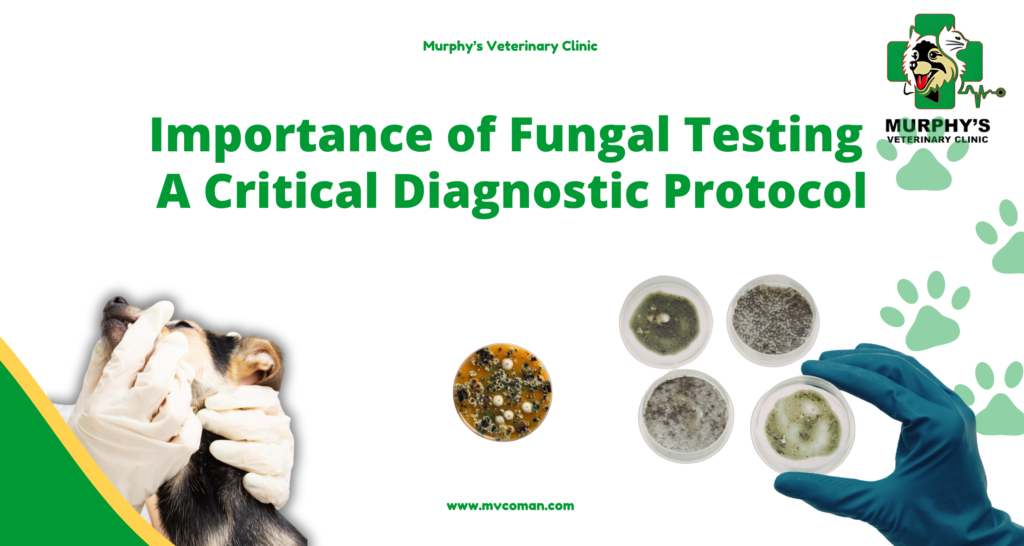
Using diagnostic methods such as Wood’s lamp and fungal culture helps identify the exact pathogen. This ensures the correct antifungal treatment and prevents prolonged infection cycles at home.
Prioritizing the Importance of Fungal Testing in Pets allows veterinarians to confirm complete recovery before reintroducing the pet into shared environments.
- Sampling from lesion edges
- Use of DTM culture media
- Microscopic examination
- Colony confirmation
Comparative Analysis of Common Diagnostic Modalities
Understanding the Importance of Fungal Testing in Pets involves knowing different diagnostic tools and their uses. Each method has strengths and limitations, and selecting the right one ensures accurate diagnosis and effective treatment.
A combined approach improves outcomes and reduces unnecessary treatments, further reinforcing the Importance of Fungal Testing in Pets in clinical decision-making.
| Diagnostic Method | Response Time | Technical Accuracy | Primary Veterinary Application |
|---|---|---|---|
| Skin Cytology | Immediate (10 min) | Moderate | Detecting yeasts |
| Wood’s Lamp | Instant | 50% accuracy | Initial screening |
| Fungal Culture (DTM) | 7–21 Days | Very High | Confirm diagnosis |
| PCR Molecular Test | 2–4 Days | Excellent | Rapid detection |
Risks Associated with Systemic and Invasive Fungal Infections
The Importance of Fungal Testing in Pets extends beyond skin issues to serious systemic infections, as fungi like Aspergillus and Cryptococcus can affect the lungs, sinuses, and even the brain. These infections are often mistaken for other diseases, making laboratory testing essential for accurate diagnosis. Delayed detection can lead to severe organ damage and poor clinical outcomes. Advanced diagnostic testing methods play a crucial role in identifying the exact pathogen and guiding timely, targeted treatment to improve survival and recovery.
- Blood antibody testing
- CSF analysis
- Lung sample cultures
- Imaging (X-ray, CT)
- Antigen detection
Environmental Impact and Hygiene in Controlling Zoonotic Spread
The Importance of Fungal Testing in Pets also lies in protecting human health. Many fungal infections can spread from pets to humans, especially in vulnerable individuals. Accurate diagnosis allows for proper hygiene measures and prevents household contamination. Recognizing the value of fungal testing ensures safe living conditions for everyone.
| Fungal Test Result | Required Home Hygiene Action | Risk Level to Humans |
|---|---|---|
| Positive (Dermatophyte) | Quarantine & disinfection | Very High |
| Positive (Malassezia) | Medicated treatment | Very Low |
| Negative (Allergy) | Allergen control | None |
| Inconclusive | Retesting required | Moderate |
Advanced Protocols in Monitoring Antifungal Therapy
The Importance of Fungal Testing in Pets continues throughout treatment. Long-term antifungal medications may affect liver function, requiring regular monitoring.
Repeated fungal tests confirm that the infection is fully cleared. Stopping treatment too early is a common cause of recurrence.
Consistent monitoring ensures safe and effective recovery, reinforcing the ongoing .
- Liver function tests
- Regular fungal cultures
- Skin re-evaluation
- Monitoring treatment response
- Dose adjustments
Conclusion
The Importance of Fungal Testing in Pets is both a medical and preventive necessity. These tests provide accurate diagnosis, guide treatment, and reduce unnecessary costs.
Considering the zoonotic risks, fungal testing also protects public health. Early diagnosis, proper treatment, and continuous monitoring ensure the best outcomes for pets.
Ignoring the Importance of Fungal Testing in Pets can lead to serious health consequences, making early testing essential at the first sign of symptoms.
At Murphy’s Veterinary Clinic, we specialize in advanced diagnostic testing for fungal diseases using modern laboratory technologies. Our expert team focuses on accuracy, fast results, and personalized treatment plans.
If your pet shows signs of a fungal infection, we provide professional testing, clear diagnosis, and effective care to ensure the health and safety of your pet and your family.
